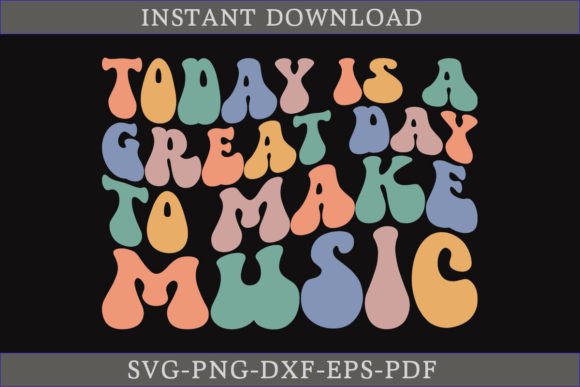
Today is a Great Day to Make Music Retro Graphics
As a digital publisher and blog designer, I constantly evaluate how visual assets translate from a raw file to a live website environment. When reviewing Today is a Great Day to Make Music Retro, my primary focus is not just on the aesthetic appeal of the illustration itself, but on its functional utility within a content marketing strategy. This graphic design asset immediately strikes a chord for niche sites focused on audio production, vinyl culture, or creative hobbies. The retro styling suggests a nostalgic yet energetic mood, which is essential for establishing an emotional connection with readers before they even scan the headline.
In editorial design, the first impression dictates dwell time. This asset feels distinctly lifestyle-focused and artistic rather than corporate or sterile. For a blogger or affiliate marketer, this distinction is vital. It signals to the reader that the content will be engaging, personal, and culturally relevant. Whether you are running a music education blog or a vintage gear review site, this visual identity supports a narrative that is both professional and playful. It avoids the generic stock photo look that often erodes reader trust, offering instead a custom, branded feel that elevates the perceived value of your articles and digital products.
Editorial Mood and Niche Alignment
The specific retro typography and composition of Today is a Great Day to Make Music Retro create a warm, inviting atmosphere. From a web design perspective, this warmth is a strategic tool. In niches like music instruction or creative entrepreneurship, users often feel intimidated by technical jargon. This graphic acts as a visual bridge, softening the learning curve and making complex topics feel accessible. It naturally supports content categories such as home studio setups, songwriting tips, instrument reviews, and creative wellness.
For publishers managing multiple content verticals, this asset serves as an excellent category anchor. Consistent use of this style across related posts helps build immediate visual hierarchy and brand recognition. Readers begin to associate this specific retro aesthetic with your music-related content, improving navigation and user experience without requiring additional text labels. This is particularly effective for small business branding where maintaining a cohesive look across diverse content types can be challenging.
Real-World Publishing Applications
Beyond standard blog graphics, this asset demonstrates significant versatility in real publishing workflows. As a digital download containing SVG, DXF, EPS, PNG, and PDF formats, it offers flexibility that raster-only images cannot match. Here is how I would deploy this asset across a content ecosystem:
- Featured Images: Use the high-resolution PNG as a primary featured image for listicles or opinion pieces about music creativity. The bold lettering remains legible even when cropped by social media platforms.
- Pinterest Pins: The vertical composition potential makes this ideal for Pinterest pin creation. Overlay a contrasting headline on the negative space to drive clicks from search traffic.
- Lead Magnets and Digital Guides: Utilize the vector SVG or EPS files to create scalable covers for eBooks, checklists, or course thumbnails. Vectors ensure crisp edges at any size, which is crucial for professional-looking digital products.
- Newsletter Headers: A cropped version works beautifully as an email header, reinforcing brand identity directly in the inbox.
- Printable Design: Since this originates from T-Shirt Designs, the artwork is already optimized for print. Publishers can repurpose it as a bonus printable wall art download to increase email sign-up conversion rates.
- Canva Templates: Import the transparent PNG into Canva to create reusable templates for Instagram stories or YouTube thumbnails, ensuring visual consistency across social media graphics.
Performance and Visual Hierarchy
A pretty graphic does not always equal a high-performing asset. However, Today is a Great Day to Make Music Retro succeeds because it respects visual hierarchy. The central focal point is clear, allowing designers to place supporting text without competing for attention. This clarity improves click-through potential on blog rolls and social feeds. When used as a website header or hero image, it sets a definitive tone that aligns with the promise of the content.
Furthermore, using unique creative design assets like this contributes to stronger brand identity. In affiliate marketing, trust is the currency. Generic visuals suggest low-effort content, while curated, stylistically consistent graphics imply expertise and care. By integrating this retro motif into your visual system, you signal to advertisers and partners that your platform maintains high editorial standards. This asset supports commercial design goals by looking polished enough for media kits and sponsorship decks while remaining authentic enough for community engagement.
Strategic Placement and Cautionary Notes
While versatile, this asset requires thoughtful placement. It shines in hero sections, article thumbnails, and content upgrades. However, publishers should exercise caution in specific contexts. Avoid using this detailed retro graphic as a tiny mobile thumbnail where the intricate lettering may become illegible. Similarly, it may clash with serious, somber, or highly corporate content; the playful retro vibe must match the article's tone. On text-heavy blog images, ensure there is sufficient negative space so the design does not overwhelm the readability of overlaid headlines.
I also recommend testing this asset against various background colors. While it likely looks stunning on dark or muted tones typical of retro aesthetics, verify contrast ratios for accessibility compliance. If your site uses a minimalist white theme, consider adding a subtle texture or container behind the graphic to ground it visually. Always preview the design inside your actual blog layout before publishing to ensure margins and padding interact correctly with the artwork.
Publisher Workflow and Technical Specs
From a production standpoint, receiving a ZIP archive with multiple formats streamlines the workflow significantly. Having the SVG and EPS files means you can recolor elements to match your exact brand palette without losing quality. This is invaluable for seasonal updates or A/B testing different color schemes in affiliate marketing campaigns. The included PDF format is particularly useful for creating high-quality printables or worksheets without needing advanced vector software.
Before deploying Today is a Great Day to Make Music Retro on monetized channels, conduct these practical checks:
- Licensing Verification: Confirm the commercial license terms specifically for digital use. While originally categorized under T-Shirt Designs, ensure your usage rights extend to web headers, digital products, and advertising.
- File Optimization: Although vectors are lightweight, exported PNGs can be large. Compress all web-facing images to maintain fast load speeds, which is critical for SEO and user retention.
- Typography Pairing: Test the graphic beside your site’s fonts. This retro style typically pairs well with clean sans-serif body text or modern display fonts, but may conflict with other ornate script fonts.
- Mobile Responsiveness: Check how the aspect ratio behaves on mobile devices. You may need to create a square crop for mobile views and retain the landscape or portrait version for desktop.
- Accessibility: Write descriptive alt text that captures both the visual style and the contextual meaning of the graphic for screen readers.
Ultimately, Today is a Great Day to Make Music Retro is more than just a decorative element; it is a functional component of a comprehensive content strategy. For bloggers, educators, and creative entrepreneurs, it provides a ready-made visual anchor that enhances editorial quality and supports business objectives. By leveraging the multi-format delivery and applying strategic design principles, publishers can transform this single graphic design asset into a cornerstone of their visual identity, driving both engagement and trust in an increasingly crowded digital landscape.